www.stateofthecoast.scot
www.stateofthecoast.scot
Pressures from Environmental regulations
Environmental regulation is a growing source of pressure on the maritime industry in North East Scotland, as operators must adapt to increasing requirements aimed at protecting marine biodiversity and reducing environmental impacts. Much of this pressure arises from the implementation of marine protected areas (MPAs), fisheries management measures, and environmental licensing regimes that govern activities such as shipping, dredging, construction, and offshore energy support. Scotland currently has 37 MPAs covering approximately 22% of Scottish seas, several of which influence activities in or adjacent to the East Grampian region, requiring additional assessment or restrictions on certain operations to ensure conservation objectives are met (Scottish Government MPAs, 2025) (Figure 1). For maritime operators, this can increase planning time, monitoring requirements and compliance costs.
Fisheries regulations represent a particularly significant pressure on the maritime sector in the Grampain Region where commercial fishing remains economically important. Under Scotland’s inshore fisheries management framework, vessels operating within 12 nautical miles of the coast are subject to spatial measures, gear restrictions, and seasonal controls designed to protect sensitive habitats and species (Inshore Fisheries, 2025). In the wider East region, the annual value of fish landings has exceeded £35 million, meaning changes in environmental regulation can have substantial economic implications for fishing-dependent ports and supply chains (Scottish Sea Fisheries Statistics, 2025). Compliance with environmental measures, including bycatch mitigation and spatial restrictions linked to protected features, can limit access to traditional fishing grounds and increase operational costs for vessels.
Ports and shipping operators in the East Grampian region also experience regulatory pressure through marine licensing and environmental impact assessment (EIA) requirements. The Port of Aberdeen, one of the UK’s busiest ports for offshore energy support and commercial traffic, operates under licences that regulate dredging, seabed disturbance, emissions, and underwater noise to minimise environmental impacts (Marine Licensing Scotland, 2025). Port sustainability reporting indicates that over 95% of the port’s reported greenhouse gas emissions are associated with vessel activity, illustrating the scale of maritime operations subject to environmental regulation and monitoring requirements (Port of Aberdeen, 2025)
At a broader policy level, maritime industries must also respond to climate and nature focused regulation, including Scotland’s legally binding commitment to reach net zero greenhouse gas emissions by 2045 (Scottish Climate Change Targets, 2025). The National Marine Plan requires that economic activity at sea is undertaken in a way that safeguards ecosystem health, meaning maritime developments must increasingly demonstrate compatibility with biodiversity objectives as part of the consenting and planning processes (Scotland's National Marine Plan, 2015). For the East Grampian maritime industry, this regulatory environment creates pressure to adapt operations, invest in cleaner technologies, and engage closely with regulators and stakeholders to maintain compliance while remaining economically viable.
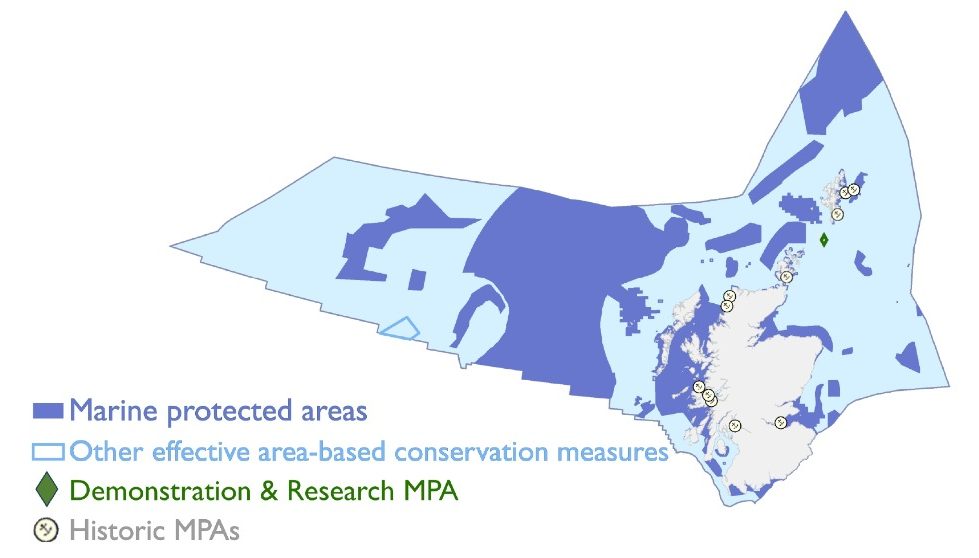
Figure 1: Full MPA network as of August 2025, Scottish Government
Scottish Government. (2022). Marine environment: Marine Protected Areas (MPAs)
Scottish Government (n.d.). Inshore fisheries and coastal communities
Scottish Government (2023). Sea Fisheries Statistics
Scottish Government (n.d.). Marine Licensing and Consent
Port of Aberdeen. (2025). Net Zero Port
13/01/2025 by Corinne Meinert
25/01/2026 by Mariia Topol
Not Live - Next review due 25/01/2027
To report errors, highlight new data, or discuss alternative interpretations, please complete the form below and we will aim to respond to you within 28 days
Telephone: 07971149117
E-mail: ian.hay@stateofthecoast.scot
We need your consent to load the translations
We use a third-party service to translate the website content that may collect data about your activity. Please review the details in the privacy policy and accept the service to view the translations.